ChartMarine
Solutions for decarbonizing and improving efficiency in the marine industry through clean propulsion, onboard energy saving and emission reduction.
Marine Systems
Initially combining the compression, cooling and cryogenic expertise of Chart and subsidiary companies Howden and Cryonorm to create a portfolio of solutions for a cleaner and more efficient marine industry. Our marine portfolio is subsequently further expanded following Chart's acquisition by Baker Hughes.

About ChartMarine
Chart pioneered the development of LNG bunkering and on-board marine fueling solutions and our deep cryogenic expertise is facilitating hydrogen as a marine fuel. Howden and Cryonorm were already established names in the maritime sector and together we've created a unique portfolio of products and solutions for clean propulsion.
Exhaust gas recirculation and capture systems directly reduce emissions, while air lubrication, waste heat recovery solutions and steam turbines reduce energy consumption. Principal technology and components are designed and built in-house and we support customers throughout the complete project lifecycle.
Video Library
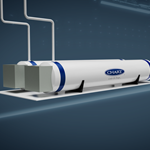
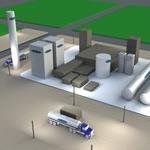
Additional Resources & Quick Links
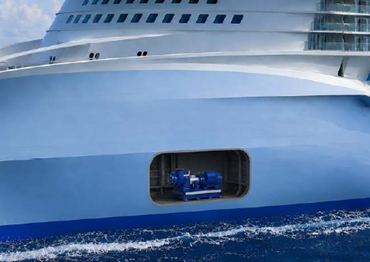
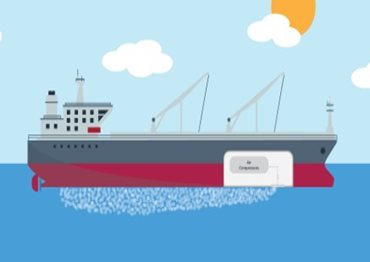
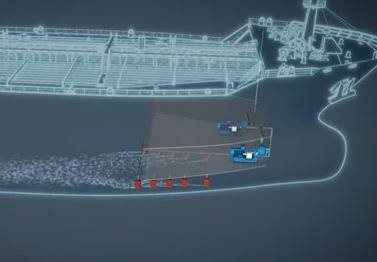
Optimizing ALS
Using our gas compression expertise to compare turbo blowers with screw compressors, the two most widely used technologies for air lubrication systems. In our white paper we assess the operating principles, energy efficiency, cost implications, maintenance requirements and performance of both technologies.
.jpg?ext=.jpg)
Applying our equipment expertise
Air Lubrication Compressors
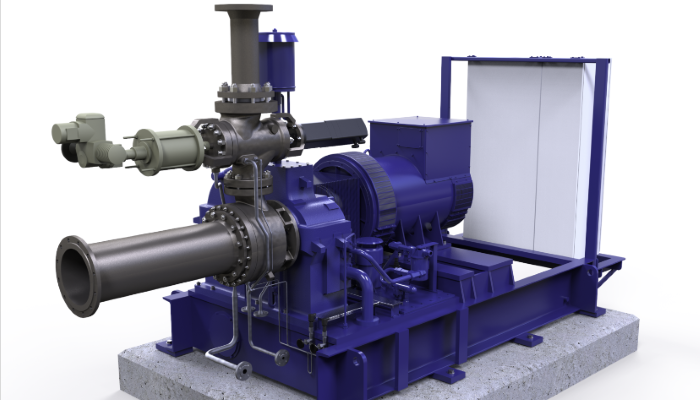
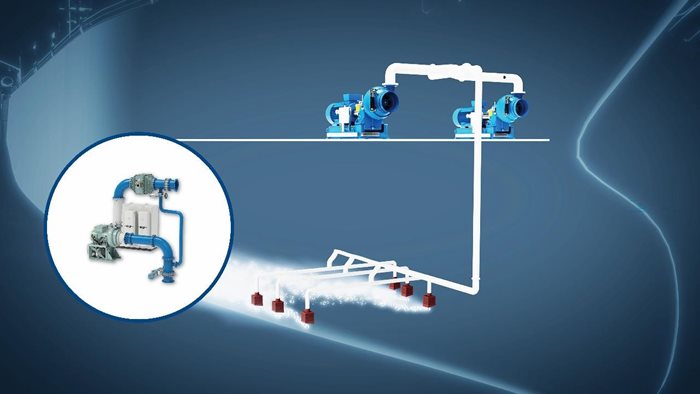
NAVISTURBO by ChartMarine, a proprietary technological solution for creating the most efficient air lubrication systems with the smallest footprint.
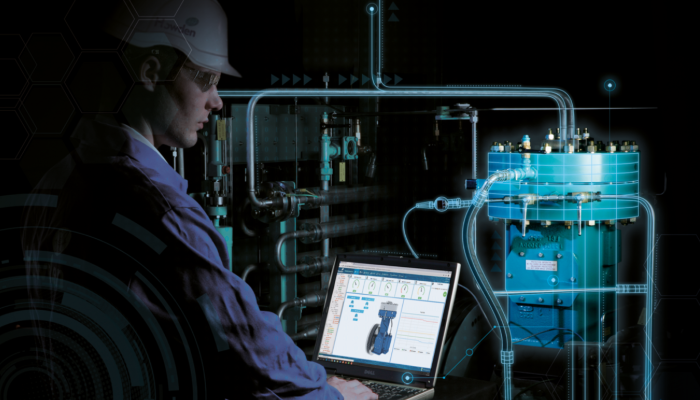
Incorporating in-house compression technology, hardware and digital monitoring software.
- Supporting standard and engine supported air lubrication systems
- Available for all types of ship
- Suitable for new build and retrofit
- Dual Point Control for highest efficiency and turndown
- Minimized energy consumption in operation
- Skid mounted, reduced piping complexity and no gearbox
- Low noise
In direct contrast to other air lubrication compressor solutions, NAVISTURBO by ChartMarine utilizes turbo compressors (also known as centrifugal compressors, or turbo blowers) rather than screw compressors. As a result NAVISTURBO by ChartMarine delivers peak efficiency across the operating range from 35% of total flow, minimizing power consumption and maximizing real net fuel savings.
We have used our gas compression expertise to compare turbo blowers with screw compressors, the two most widely used technologies for ALS. In our white paper we assess the operating principles, energy efficiency, cost implications, maintenance requirements and performance of both technologies.
Exhaust Gas Recirculation
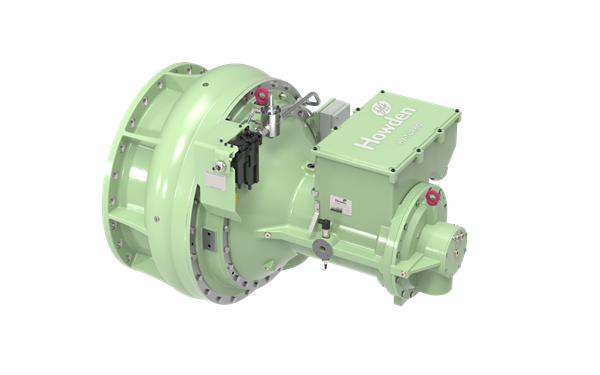
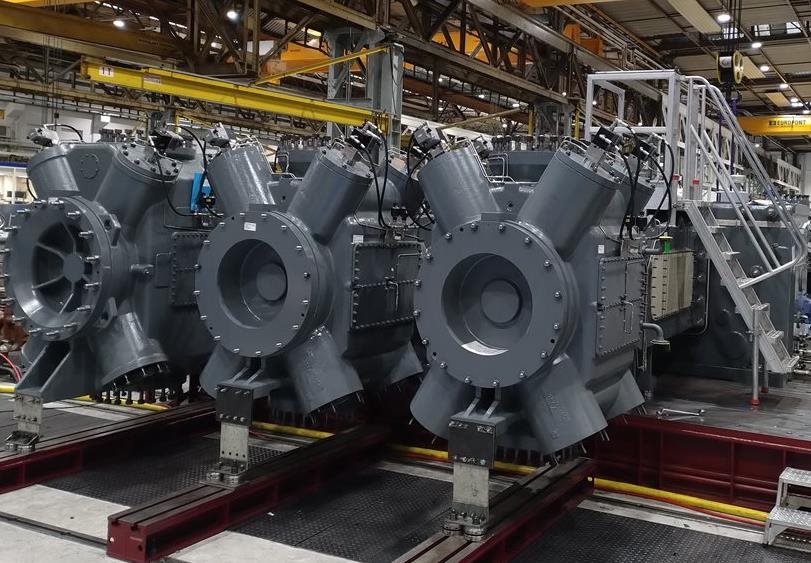
With hundreds of units operating on vessels around the world and with zero reported failures, HV-TURBO blowers are integral to Exhaust Gas Recirculation (EGR) systems for compliance with the latest IMO MARPOL Annex VI (Tier III) emission standards, including current and emerging NOx Emission Control Areas (NECAs).
The EGR blower is a single-stage turbo blower with oil lubricated bearings, directly driven by an asynchronous motor and variable frequency drive, providing reliable and efficient operation.
- Impeller is precision milled from a solid forged stainless steel block to deliver an optimized balance of strength and weight
- Gas contacting parts are manufactured from corrosion resistant steel for long term durability
- Contact-free carbon floating ring sealing system prevents exhaust gas leakage
- Oil-lubricated journal bearings ensure dependable performance
- Oil, sealing air, and cooling water supply pathways are fully integrated into the blower structure, eliminating the need for additional pipework
The EGR turbo-compressor is available in 3 sizes:
- EGR-10, range from minimum 1,02 m3/s to maximum 3,60 m3/s
- EGR-22, range from 1,80 m3/s to maximum 6,33 m3/s
- EGR-24 is engineered for higher flow capacities across the range further reducing the number of units required per installation
Ventilation and Cooling
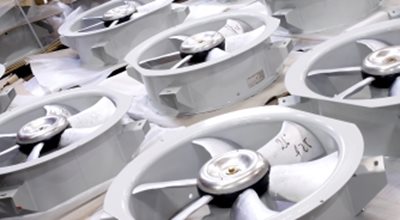
Howden axial and centrifugal fans are used on vessels of all classifications for cooling and ventilation providing unrivaled performance in the harshest environments and applications where noise and vibration are critical risk factors and shockproof reliability is vital.
- Engine room ventilation
- HVAC systems
- Emergency extraction
Low to medium-duty fans - axial and centrifugal
- Low energy consumption
- Outstanding reliability
Medium duty fans - centrifugal
- Optimized operating expenses
- High temperature resistance
Cooling fans
- High aerodynamic efficiency
- Lowest noise levels available
Waste Heat Recovery Systems
Fuel savings up to 1%
Improved CII Rating
ROI <3 years
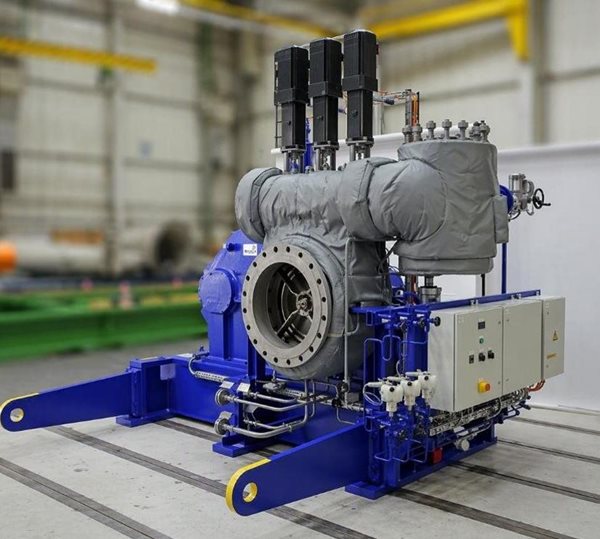
Kuehnle, Kopp & Kausch modular steam turbine range enabling scalable power output from 750 to >12,000 KW, efficiently converting thermal energy into mechanical or electrical power, maximizing energy recovery and improving overall system performance.
Available with both mechanical and generator drive, adapted to different applications and evolving operational requirements.
Suitable for both new builds and retrofits, they provide a reliable and cost effective way to enhance efficiency and reduce operational energy losses.
Unique features benefitting shipyards and owners through faster and simpler integration and commissioning with highest reliability, performance, efficiency and uptime.
- Fully automatic with instant start for immediate energy savings (calculated average of 1 hour additional uptime per vessel sailing)
- Partial load efficiency – high performance is maintained across a load profile from 10 to 100%
- Robust turbine design with reduced vibration and wear
- Integrated gearbox and oil system reduces size and weight
- Turbine wheel is milled from solid reducing vibration and extending service life and maintenance intervals
- Modular/single skid solution fits in a standard hatch and provides maximum flexibility for the widest range of customer requirements and specifications, space/weight savings, simplified installation and easy integration with existing equipment
- Standardised package with all applicable ABS AIP and type approvals from DNV
- Suitable for new builds and retro-fits
- Factory acceptance test performed with steam for guaranteed operational performance, reduced commissioning and elimination of oil management at site
A global aftermarket network provides easy access to spare and replacement parts with personnel available for installation and commissioning, engineering support, service and maintenance, emergency support and crew training.
Carbon Capture
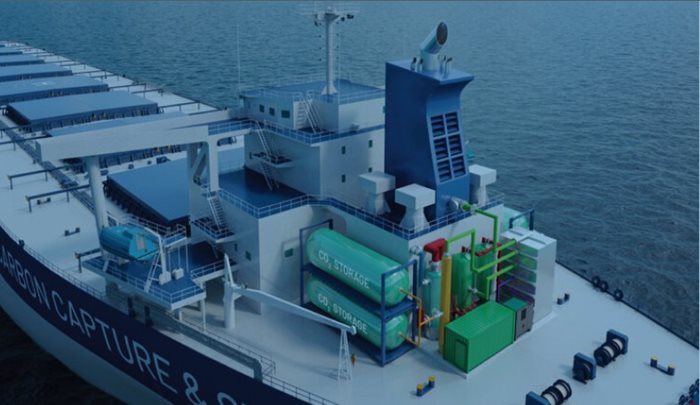
Innovative phase change process to capture and liquefy >90% of CO2 emissions.
Removes NOx, SOx, mercaptans and other pollutants from exhaust gases.
Suitable for new build vessels and retro-fitting.
Lower total cost and energy consumption than competing processes.
Provide purified, liquid carbon dioxide for economical on-board storage and/or re-use.
Utilizing proven refrigeration processes deployed at large scale for decades.
Applying our equipment expertise
NAVISTURBO by ChartMarine
Proprietary technological solution for creating the most efficient air lubrication systems with the smallest footprint.
Incorporating in-house compression technology, hardware and digital monitoring software.
- Supporting standard and engine supported air lubrication systems
- Available for all types of ship
- Suitable for new build and retrofit
- Dual Point Control for highest efficiency and turndown
- Minimized energy consumption in operation
- Skid mounted, reduced piping complexity and no gearbox
- Low noise
In direct contrast to other air lubrication compressor solutions, NAVISTURBO by ChartMarine utilizes turbo compressors (also known as centrifugal compressors, or turbo blowers) rather than screw compressors. As a result NAVISTURBO by ChartMarine delivers peak efficiency across the operating range from 35% of total flow, minimizing power consumption and maximizing real net fuel savings.
We have used our gas compression expertise to compare turbo blowers with screw compressors, the two most widely used technologies for ALS. In our white paper we assess the operating principles, energy efficiency, cost implications, maintenance requirements and performance of both technologies.
HV Turbo Centrifugal Blowers
With hundreds of units operating on vessels around the world and with zero reported failures, HV-TURBO blowers are integral to Exhaust Gas Recirculation (EGR) systems for compliance with the latest IMO MARPOL Annex VI (Tier III) emission standards, including current and emerging NOx Emission Control Areas (NECAs).
The EGR blower is a single-stage turbo blower with oil lubricated bearings, directly driven by an asynchronous motor and variable frequency drive, providing reliable and efficient operation.
- Impeller is precision milled from a solid forged stainless steel block to deliver an optimized balance of strength and weight
- Gas contacting parts are manufactured from corrosion resistant steel for long term durability
- Contact-free carbon floating ring sealing system prevents exhaust gas leakage
- Oil-lubricated journal bearings ensure dependable performance
- Oil, sealing air, and cooling water supply pathways are fully integrated into the blower structure, eliminating the need for additional pipework
The EGR turbo-compressor is available in 3 sizes:
- EGR-10, range from minimum 1,02 m3/s to maximum 3,60 m3/s
- EGR-22, range from 1,80 m3/s to maximum 6,33 m3/s
- EGR-24 is engineered for higher flow capacities across the range further reducing the number of units required per installation
Axial and Centrifugal Fans
Howden axial and centrifugal fans are used on vessels of all classifications for cooling and ventilation providing unrivaled performance in the harshest environments and applications where noise and vibration are critical risk factors and shockproof reliability is vital.
- Engine room ventilation
- HVAC systems
- Emergency extraction
Low to medium-duty fans - axial and centrifugal
- Low energy consumption
- Outstanding reliability
Medium duty fans - centrifugal
- Optimized operating expenses
- High temperature resistance
Cooling fans
- High aerodynamic efficiency
- Lowest noise levels available
Steam Turbine Solutions
Kuehnle, Kopp & Kausch modular steam turbine range enabling scalable power output from 750 to >12,000 KW, efficiently converting thermal energy into mechanical or electrical power, maximizing energy recovery and improving overall system performance.
Available with both mechanical and generator drive, adapted to different applications and evolving operational requirements.
Suitable for both new builds and retrofits, they provide a reliable and cost effective way to enhance efficiency and reduce operational energy losses.
Unique features benefitting shipyards and owners through faster and simpler integration and commissioning with highest reliability, performance, efficiency and uptime.
- Fully automatic with instant start for immediate energy savings (calculated average of 1 hour additional uptime per vessel sailing)
- Partial load efficiency – high performance is maintained across a load profile from 10 to 100%
- Robust turbine design with reduced vibration and wear
- Integrated gearbox and oil system reduces size and weight
- Turbine wheel is milled from solid reducing vibration and extending service life and maintenance intervals
- Modular/single skid solution fits in a standard hatch and provides maximum flexibility for the widest range of customer requirements and specifications, space/weight savings, simplified installation and easy integration with existing equipment
- Standardised package with all applicable ABS AIP and type approvals from DNV
- Suitable for new builds and retro-fits
- Factory acceptance test performed with steam for guaranteed operational performance, reduced commissioning and elimination of oil management at site
A global aftermarket network provides easy access to spare and replacement parts with personnel available for installation and commissioning, engineering support, service and maintenance, emergency support and crew training.
Innovative Phase Change Process
Capture and liquefaction of >90% CO2 emissions.
Removes NOx, SOx, mercaptans and other pollutants from exhaust gases.
Suitable for new build vessels and retro-fitting.
Lower total cost and energy consumption than competing processes.
Provide purified, liquid carbon dioxide for economical on-board storage and/or re-use.
Utilizing proven refrigeration processes deployed at large scale for decades.
LNG Fuel Gas Supply Systems (FGSS)
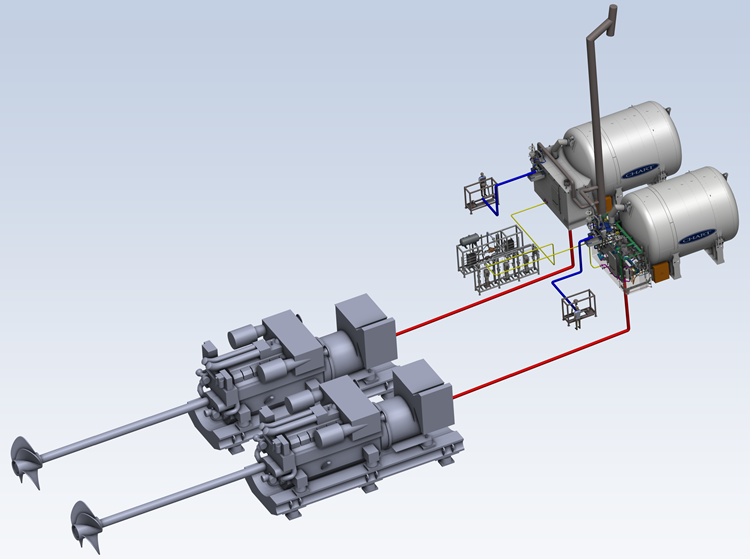
Onboard LNG fuel gas supply systems comprise all elements for storage and delivery of natural gas to the ships engines:
- IGF Type C cryogenic storage tanks
- Bunkering skids
- Tank Connection Spaces (TCS) incorporating evaporation module, plumbing, valves and instrumentation
- Water glycol heating system
- Piping systems – vacuum insulated bunker lines, double walled gas piping to GVU
- Control systems
- Vaporization equipment
- Heating media skids
- GVU’s / GRU’s
- Nitrogen generation and IA systems
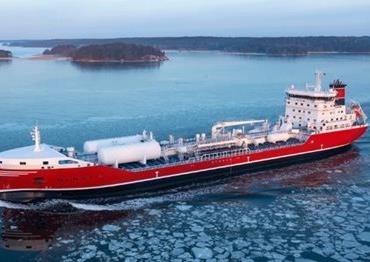
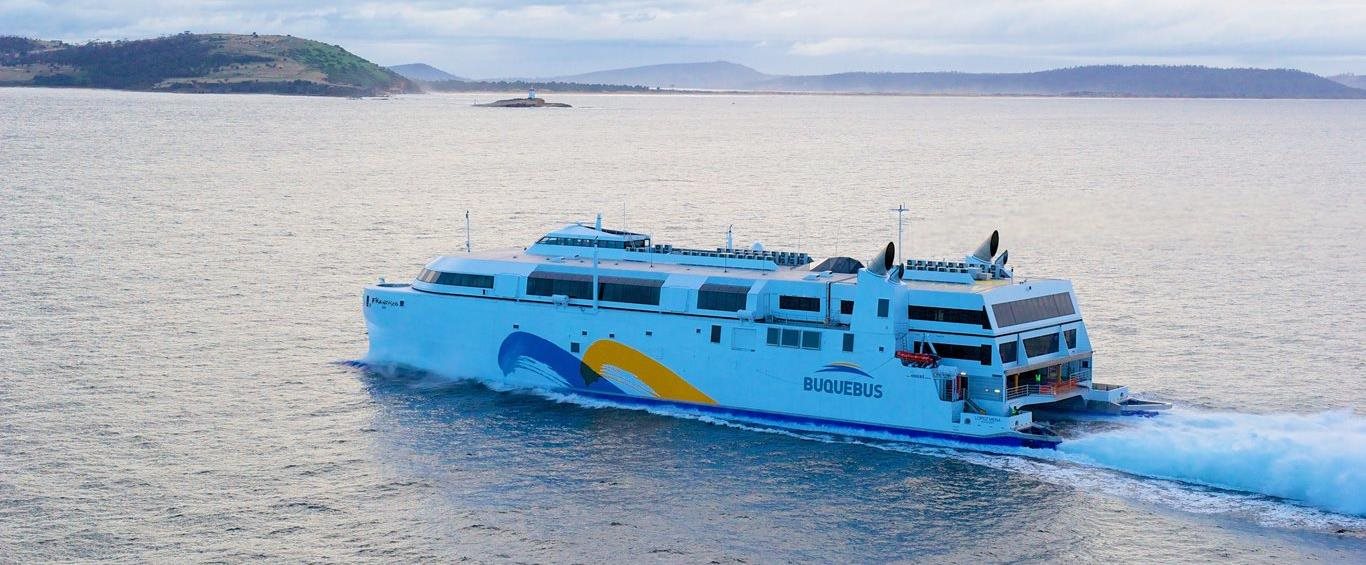
Through the combined experience and expertise of Chart and Cryonorm, we have provided LNG fueling systems for a variety of marine vessels including RoPax ferries, short sea tankers, cruise vessels, chemical tankers and barges operating on inland waterways. Our pedigree includes Buquebus Francisco, the world's fastest and cleanest high speed ferry, MT Prospero voted Tanker of the Year in 2021 and MT Argonon, Europe's first natural gas fueled barge.
Full service scope including delivery and commissioning according to applicable codes (DNV, LRS, BV, ABS, USCG).
Systems can be incorporated into newly built ships or retro-fitted into existing vessels.
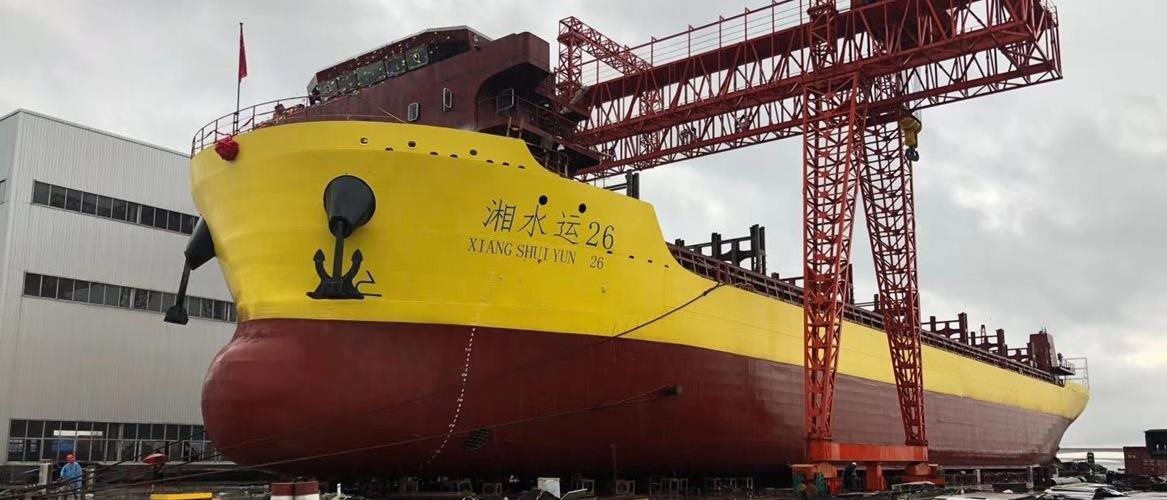
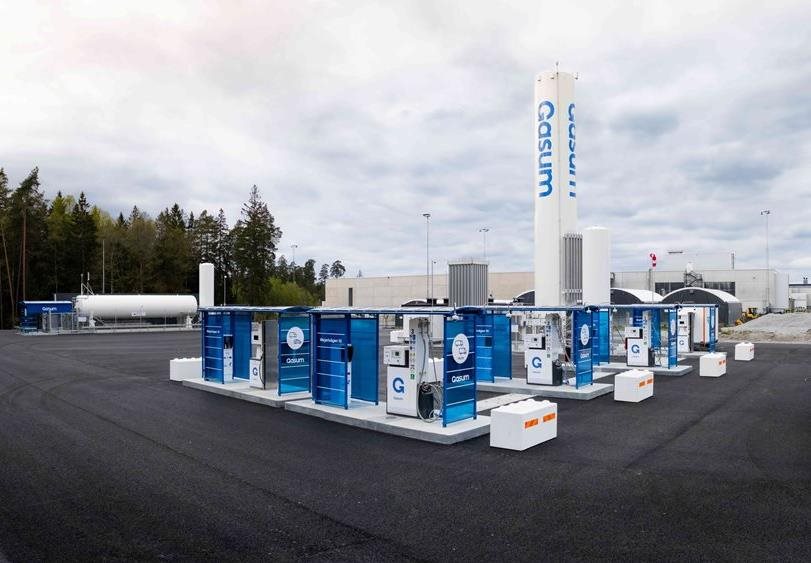
LNG Bunkering Stations
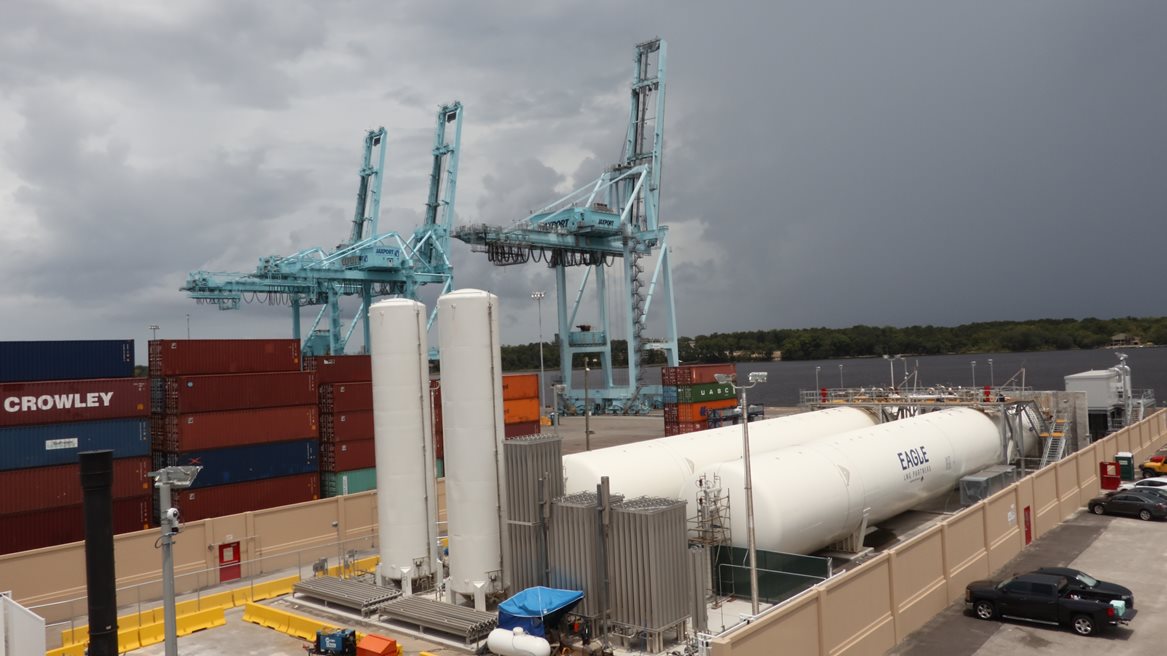
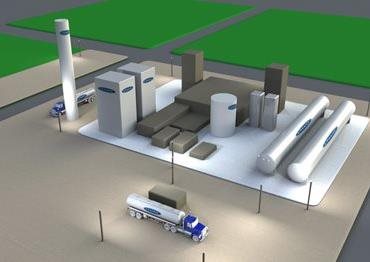
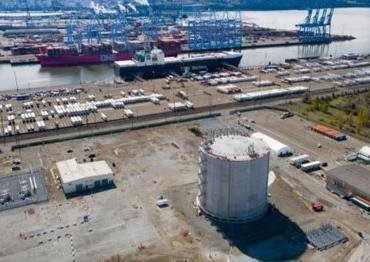
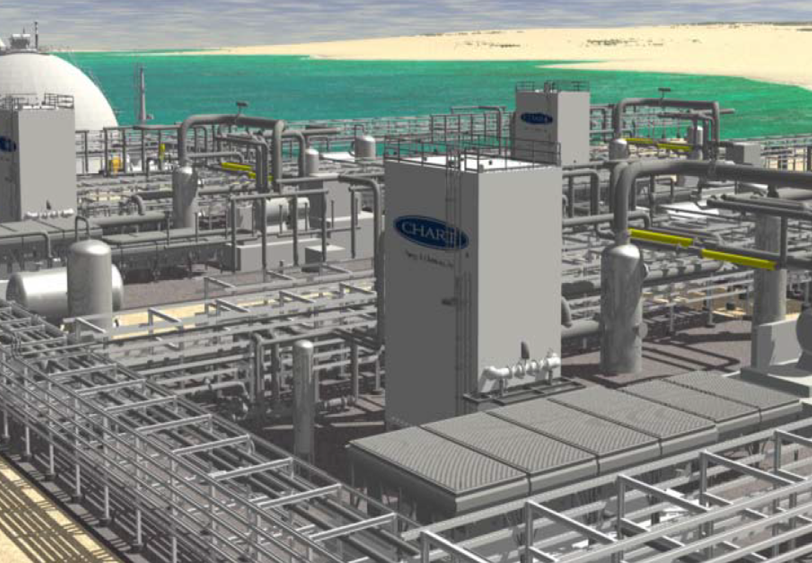
Coastal receiving, storage and distribution terminals with jetty fueling module
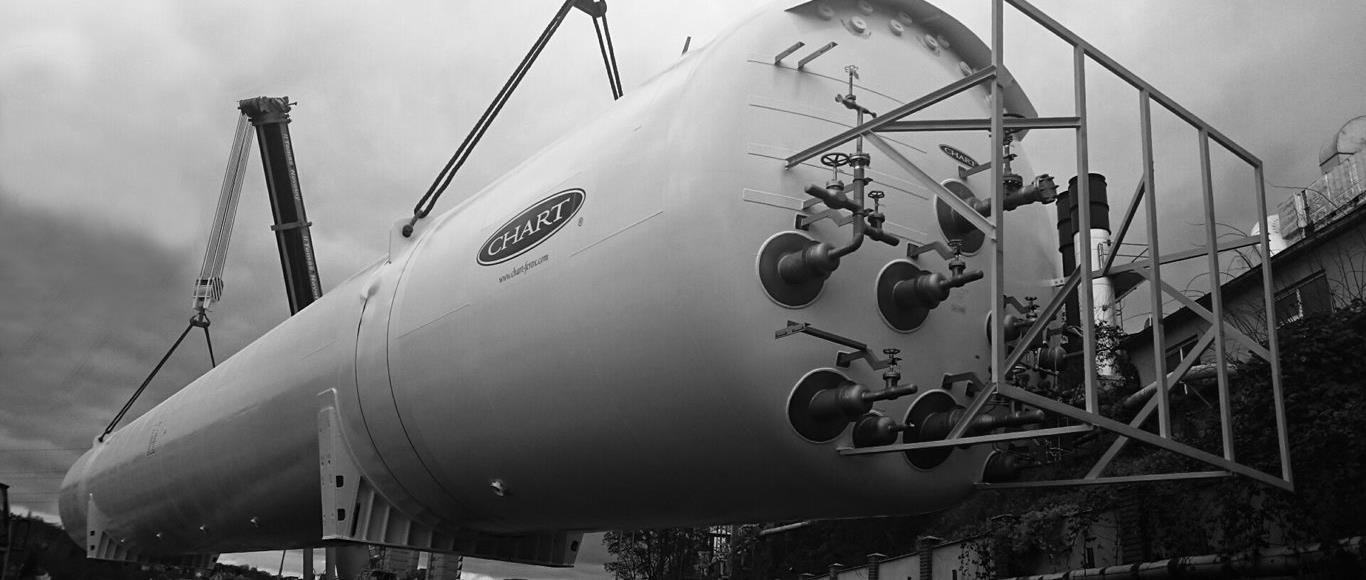
- Modular storage capacity (individual shop built cryogenic vessels up to 170000m³)
- Custom design according to customer specification
- Designed according to climatic conditions and geographic location
Complete shore to ship bunkering terminals include cryogenic storage tanks, vacuum insulated piping, vaporization and loading arms.
Equipment is shop built and typically supplied as modules, often skid mounted. This reduces construction time at site and allows future capacity expansions to be incorporated into the initial plant design.
Cryogenic tanks provide high thermal performance with extended hold times to deliver significantly lower lifecycle costs versus standard tanks.
Vacuum insulated pipe decreases heat leakage by 90% and offers a functional life 10x longer than mechanically insulated pipe.
-1167-wide.jpg)
Hydrogen Propulsion
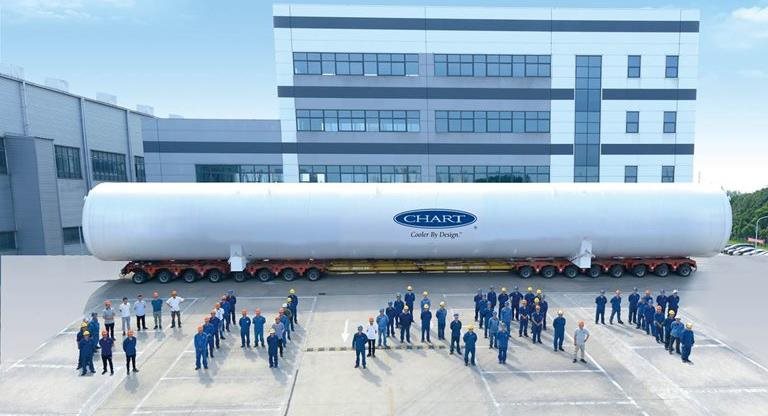
Liquid hydrogen technology requires deep cryogenic expertise. Chart's impressive pedigree includes >1000 liquid hydrogen tanks in service around the world across a range of applications in industry, science, research and aerospace, manufacturing capabilities in the US, Europe, China and India and the ability to manufacture and ship single tanks up to 1700m3 volume.
- 1kg of liquid hydrogen is energy equivalent to 3kg of oil
- Liquid hydrogen tanks remove the need for high pressure gas tanks
- Liquid hydrogen requires 4.3 times more storage volume than diesel
- Chart is part of active consortiums proving the feasibility of hydrogen fueled ships
To facilitate the pathway to zero emission shipping through hydrogen, Chart offers 3 fueling solutions that between them enable operators to transition from natural gas to hydrogen, without wholesale replacement of onboard LNG equipment, and overcome a lack of bunkering infrastructure. Through our liquid hydrogen expertise Chart is also able to provide a complete liquid hydrogen supply chain.
To learn more scroll through the tabs below.
Conventional fixed tank system
Shop built modular liquid hydrogen Fuel Gas Supply Systems (FGSS) comprise all elements for storage and delivery of hydrogen to the ships’ engines.
- Suitable for vessels of all classification
- New build and retrofit
- Fuel tanks can be mounted on deck or below deck
- Marine Class Approved
- Total engineering of fuel system from process design to the operating and maintenance manual
- Installation supervision and commissioning
- Assistance during first gas trial, first cool-down and first fill
- Training, after sales service and spare parts
- Guaranteed gas flow, temperature and pressure towards ship engine(s) GVU
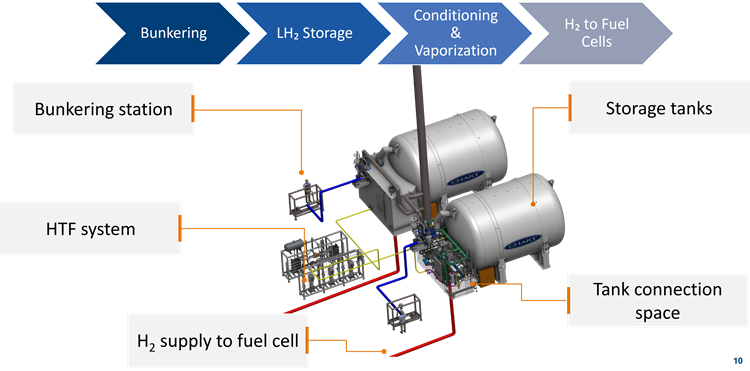
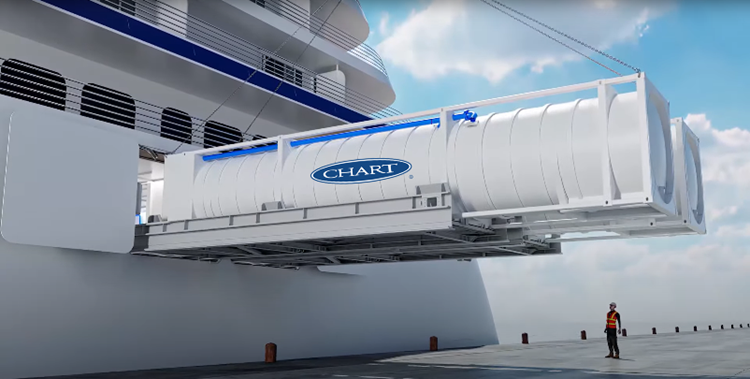
Exchangeable full for empty solution
Containerized fueling solution in specially engineered multi‑modal cryogenic ISO containers that negates requirements for complex bunkering infrastructure.
- Marine and road certification
- Tanks filled at liquid hydrogen terminal
- Full for empty exchange solution with simple, fast changeover
- Stainless steel double wall Type C tanks with multi‑layer insulation and high‑quality vacuum insulation
- Class approved
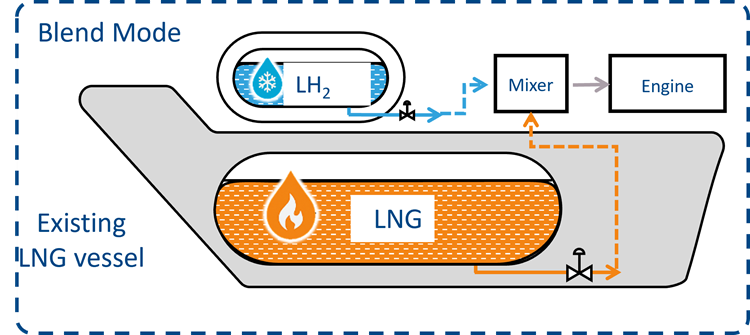
Hybrid LNG/LH2 solution
Handles both LNG and liquid hydrogen within the same tank architecture facilitating a seamless transition from LNG to hydrogen without leaving assets stranded.
- Compact modular package can be installed anywhere on the vessel
- Enables gradual decarbonization
- Avoids costly future redesigns and refits
- Suitable for vessels of all types
- Suitable for new builds and retro-fitting
- Can be supplied as a fully engineered solution upstream of engines or fuel cells
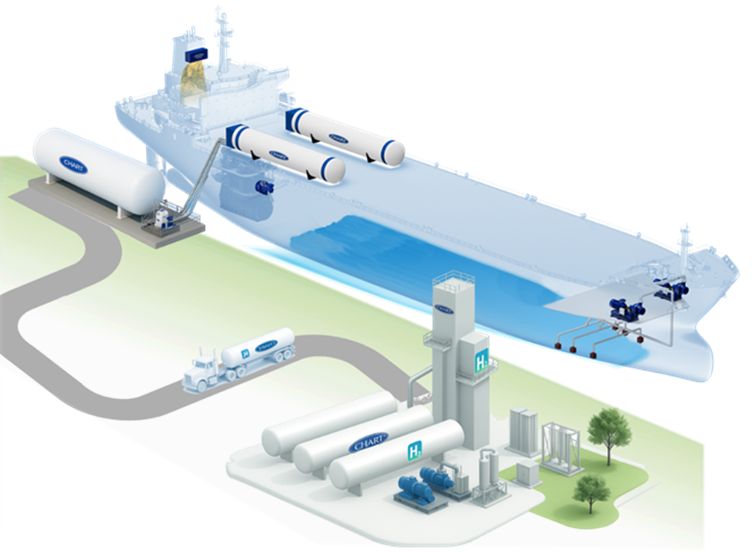
Liquid hydrogen supply chain
From source to consumption.
- Liquefaction plants with single trains from 5 to >30 tpd
- Transport - trailers and semi-trailers for road transportation and ISO containers for multi-modal distribution
- Bunkering - modular liquid hydrogen storage and off-loading
Shop built modular liquid hydrogen Fuel Gas Supply Systems (FGSS) comprise all elements for storage and delivery of hydrogen to the ships’ engines.
- Suitable for vessels of all classification
- New build and retrofit
- Fuel tanks can be mounted on deck or below deck
- Marine Class Approved
- Total engineering of fuel system from process design to the operating and maintenance manual
- Installation supervision and commissioning
- Assistance during first gas trial, first cool-down and first fill
- Training, after sales service and spare parts
- Guaranteed gas flow, temperature and pressure towards ship engine(s) GVU
Containerized fueling solution in specially engineered multi‑modal cryogenic ISO containers that negates requirements for complex bunkering infrastructure.
- Marine and road certification
- Tanks filled at liquid hydrogen terminal
- Full for empty exchange solution with simple, fast changeover
- Stainless steel double wall Type C tanks with multi‑layer insulation and high‑quality vacuum insulation
- Class approved
Handles both LNG and liquid hydrogen within the same tank architecture facilitating a seamless transition from LNG to hydrogen without leaving assets stranded.
- Compact modular package can be installed anywhere on the vessel
- Enables gradual decarbonization
- Avoids costly future redesigns and refits
- Suitable for vessels of all types
- Suitable for new builds and retro-fitting
- Can be supplied as a fully engineered solution upstream of engines or fuel cells
From source to consumption.
- Liquefaction plants with single trains from 5 to >30 tpd
- Transport - trailers and semi-trailers for road transportation and ISO containers for multi-modal distribution
- Bunkering - modular liquid hydrogen storage and off-loading
Technical Library
Connect With ChartMarine
With engineering and manufacturing in Europe, US and China for our marine systems Chart has the world covered. To reach a specialist click the contact us button, select 'Email an Inquiry' and fill out the short form.Customer Service Americas +1 800 400 4683
Customer Service Europe +420 412 507 234
Customer Service China +86 519 8596 6000

 Request A Quote
 Email An Inquiry
 Find Our Locations
 Join Our Team